Dropping a djembe sample over a house beat does not make a track afro house. The genre has real historical roots, tracing back to Johannesburg and Cape Town in the 1990s, where producers fused house music's four-on-the-floor pulse with local percussion traditions and the slower, laid-back energy of Kwaito, and it carries a rhythmic language that goes well beyond adding a percussion layer on top of an existing pattern. Programming it properly means understanding polyrhythm as structure, not decoration.
The foundation: slower and less aggressive than club house
Afro house typically sits at a more relaxed tempo than club-focused house, and the kick pattern itself tends to be less sharp and forceful than what you would program for straight house or techno. This is deliberate. A softer, more spacious foundation leaves room for the percussion layers that follow, rather than fighting them for attention. If the kick and bass already fill every gap in the pattern, there is nowhere left for the rhythmic complexity that defines the genre to actually sit.
Polyrhythm: layers that do not collide
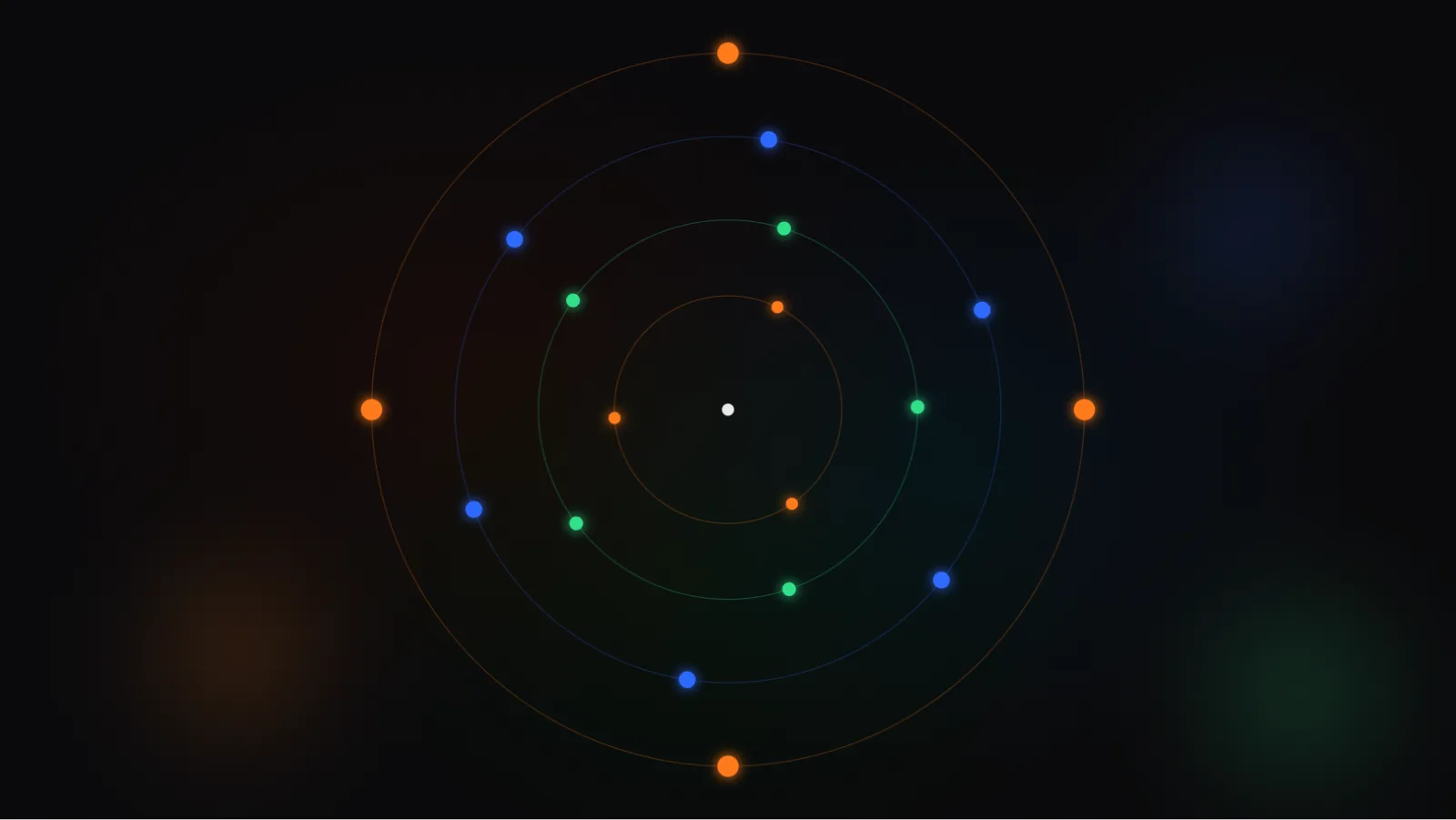
A polyrhythm is two or more contrasting rhythmic patterns playing at the same time, each with its own internal logic, rather than one pattern with extra hits scattered on top. In afro house, this typically means a shaker or hi-hat pattern moving in one subdivision, a conga or tom pattern moving in another, and the underlying four-on-the-floor holding a third, steadier pulse underneath both. None of these layers are quantized identically. Small timing offsets between them are what create the sense of movement and depth that a single, tightly gridded pattern cannot produce on its own. Our article on the human side of rhythm covers the broader principle of breaking the grid, which applies directly here.
Percussion layers and what each one is doing
Shakers and the shekere, a beaded gourd instrument, typically carry a fast, steady subdivision that fills the space between kicks without becoming the rhythmic focus, often sitting low enough in the mix that it is felt more than consciously noticed. Congas and djembe patterns usually occupy a middle register and carry more melodic, tonal variation, since these instruments produce different pitches depending on where and how they are struck. Toms and lower percussion elements often mark structural points, the start of a phrase or a shift in the pattern, rather than repeating on every bar. Treating each layer as a distinct rhythmic voice with its own role, rather than as generic percussion loops stacked on top of each other, is what separates a programmed afro house pattern from one that just sounds busy.
Vocals and chants as rhythm, not just melody
Vocal chants and call-and-response phrases are common in afro house, and they frequently function as a rhythmic element as much as a melodic or lyrical one. A short vocal phrase repeated on a specific subdivision interacts with the percussion the same way another rhythmic layer would, and call-and-response structures, one phrase answered by another, echo a pattern rooted in African musical traditions long before house music existed. This is not a decorative topline sitting above the beat. It is part of the groove itself.
Common mistakes
Quantizing every percussion layer to the same fixed grid is the fastest way to flatten a pattern that should feel alive, since the small offsets between layers are doing real structural work, not just adding imperfection for its own sake. Treating percussion as an afterthought, programmed once the main beat is finished rather than built alongside it, tends to produce patterns that sound stacked rather than woven together. And leaving no space between elements, filling every subdivision with something, removes the sense of breathing room that lets a pattern feel danceable rather than cluttered.
Program a soft, spacious kick pattern first, leaving clear gaps rather than filling every beat. Add a fast shaker pattern on a different subdivision, then a slower conga or tom pattern on a third. Nudge each percussion layer slightly out of perfect alignment with the others and listen to how much more movement the pattern gains from that small imperfection alone.
Structure, not seasoning
The percussion in afro house carries the same structural weight that a bassline or chord progression carries in other genres. It is not something added at the end to give a track a particular flavor, it is a core part of how the groove is built from the ground up, with roots in specific musical traditions that deserve more than a surface-level nod. Programmed with that in mind, rather than as decoration, the difference is audible immediately.
Electronic Music Production for Beginners
Afro House is one of the core genres taught in EMPB, alongside House and Organic House, with hands-on assignments and the full library of interactive tools.